About Saint Luke's
Our Namesake, Our Charter, Our Leadership
Why Saint Luke
Of all the authors of Scripture, Luke is the narrator. He is the one who stepped back from the immediacy of events and said, in effect, "Let me tell you the whole story, from the beginning, in order, so that you may know the certainty of what you have been taught." That impulse, to see the whole, to trace the arc, to present the faith not as a scattering of fragments but as a coherent and purposeful account, is the very impulse that animates Saint Luke's College of Theology.
Luke authored more of the New Testament by sheer volume than any other single writer, including Paul. His two-volume work, the Gospel of Luke and the Acts of the Apostles, constitutes a continuous narrative that stretches from the angelic announcement of John the Baptist's birth to Paul's proclamation of the Kingdom of God in the heart of the Roman Empire. It is, in miniature, exactly the kind of reading Saint Luke's College exists to cultivate: the Bible understood as a single unfolding story.
Luke was also a physician, a man of education, intellectual discipline, and careful observation. He wrote for Theophilus, a person of standing who wanted not just inspiration but understanding. Luke's method was investigative; his purpose was catechetical. He tells his reader plainly that he has "carefully investigated everything from the beginning" so that Theophilus might "know the certainty" of the things he had been taught. In Luke, rigorous inquiry and faithful formation are not in tension. They are the same project.
This is the vision of Saint Luke's College of Theology. Like our patron, we believe that the Christian faith is best transmitted through a careful, orderly, and intellectually honest account of the whole story God is telling. Luke did not write a systematic theology. He did not write an apologetics manual. He wrote a narrative, because he understood that the truth of the Gospel is inseparable from its story.
We bear his name because we share his conviction: that seeing the forest of God's redemptive purpose is not a luxury for advanced scholars but the birthright of every believer, and that the task of Christian education is to make that vision clear.
Institutional Charter
Saint Luke's College of Theology is a nonprofit religious institution of higher education incorporated in the State of Florida and organized exclusively for religious and educational purposes within the Christian tradition. The College operates under the religious exemption provided by Florida Statute §1005.06(1)(f) and is not under the jurisdiction or purview of the Florida Commission for Independent Education.
The College exists to serve Christians who desire a deeper understanding of Scripture as a unified whole, the grand narrative arc from Genesis to Revelation. Whether for personal enrichment, lay ministry, or vocational preparation, Saint Luke's provides access to a distinctive approach to biblical education rooted in the ancient practice, exemplified by its patron and namesake, of reading Scripture as a coherent story of God's creative, redemptive, and restorative work in the world.
The College is governed by a Board of Directors and administered by its executive leadership.
Leadership
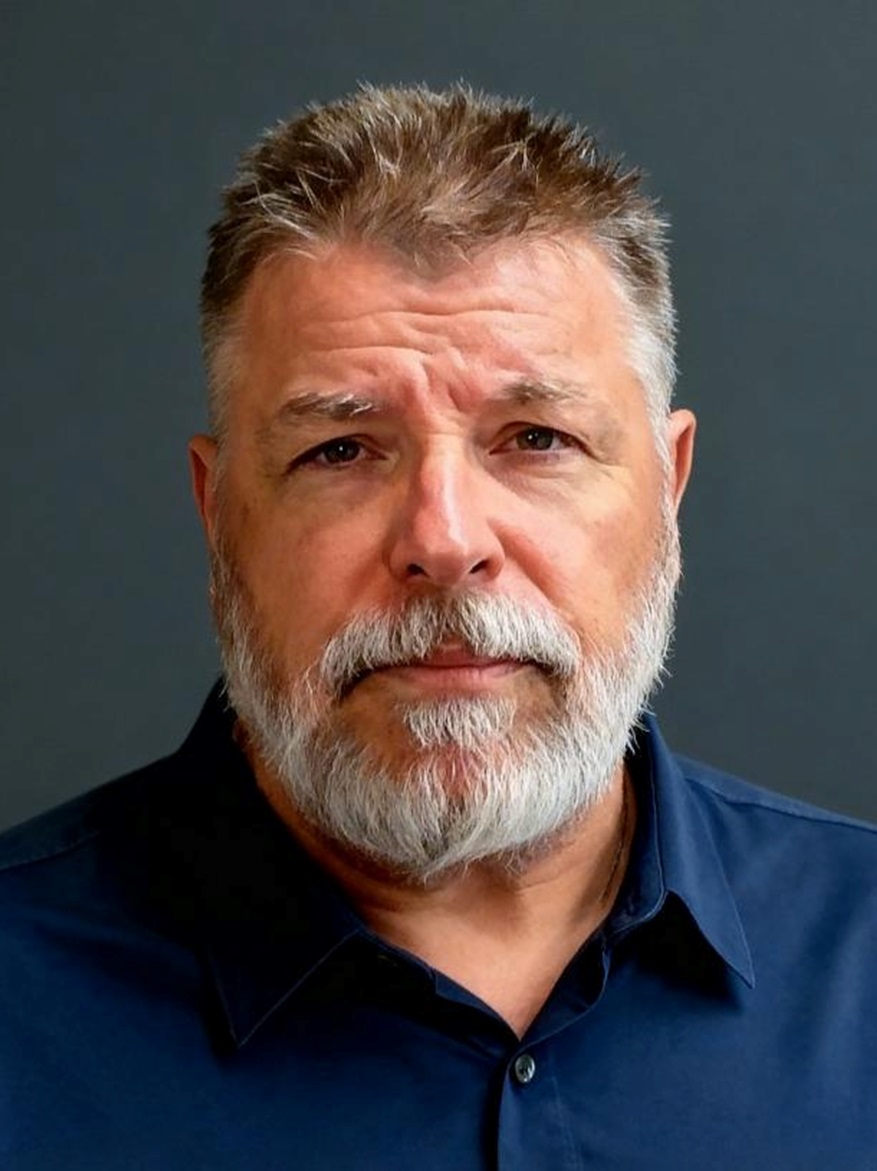
David Lady
Executive Director & Provost
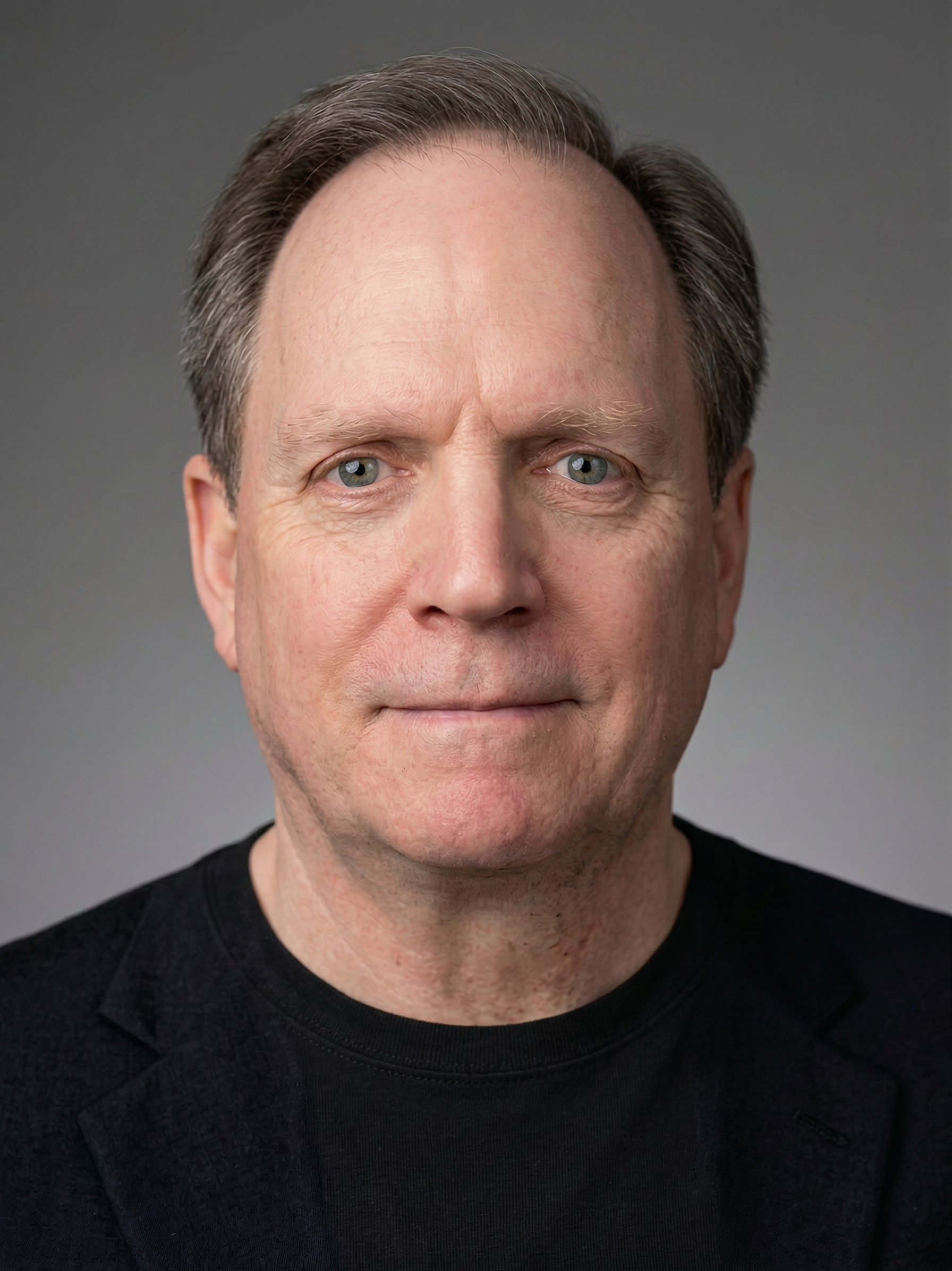
Ernie Langston
Dean of Enrollment
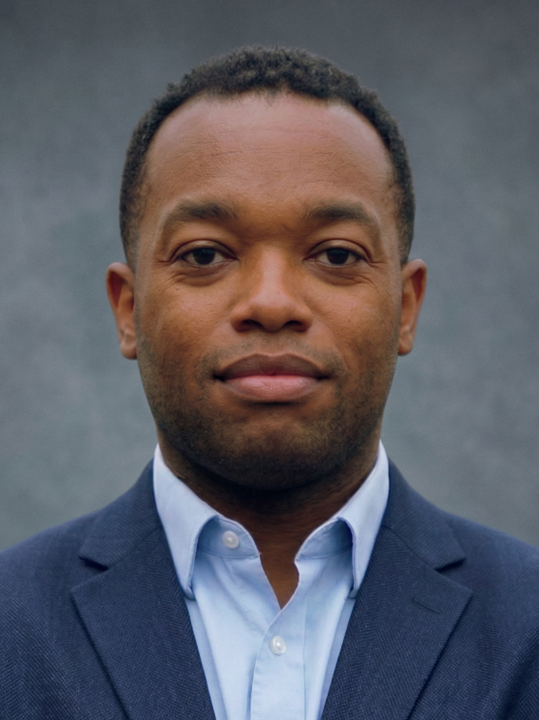
Kernel Duncan
Dean of Operations
Consumer Disclosure
In accordance with Florida Statute §1005.04, Saint Luke's College of Theology discloses the following to all prospective and enrolled students:
All degrees conferred by Saint Luke's College of Theology carry a religious modifier or catechetical designation in their titles and are designed to prepare students for religious vocations. Credits earned at this institution may not transfer to other colleges or universities. Students should not assume that any institution will accept credits or degrees from Saint Luke's College of Theology. The College's programs are not designed to meet secular licensure requirements in any profession. Both the Professional Diploma and the Master of Christian Catechesis are offered entirely without charge. There is no tuition, no application fee, and no graduation fee. The only optional cost is a signed, printed diploma for graduates who wish to order one. The College does not participate in federal Title IV student financial aid programs. Prospective students will receive complete information regarding the College's purpose, programs, and transferability of credits in writing at least one week prior to enrollment.